The transformation of gambling through history A fascinating journey
The Origins of Gambling
The history of gambling dates back thousands of years, with its roots embedded in various ancient civilizations. Archaeological findings suggest that as far back as 3000 BC, the Chinese were playing games involving betting on the outcomes of events. Ancient Egyptians also engaged in various forms of gambling, utilizing dice and other gaming tools that have long since become synonymous with the practice. Today, many look for non gamstop casinos that continue this age-old tradition.

In ancient Rome, gambling became a widespread pastime among citizens, and it was often tied to significant public events, such as gladiatorial games. The Roman Empire had laws regulating betting, highlighting both its popularity and the potential for social issues arising from excessive gambling. This period marked the beginning of gambling as a structured activity with rules and regulations, setting the stage for its evolution over the centuries.
The Evolution Through the Ages
As civilizations progressed, so too did the nature of gambling. The Middle Ages saw the emergence of card games, which quickly spread across Europe. These games introduced new elements of strategy and chance, further enriching the gambling experience. Additionally, the rise of gaming houses and casinos in the 17th century in places like Italy brought a new level of sophistication and organization to gambling, making it more accessible to the general populace.
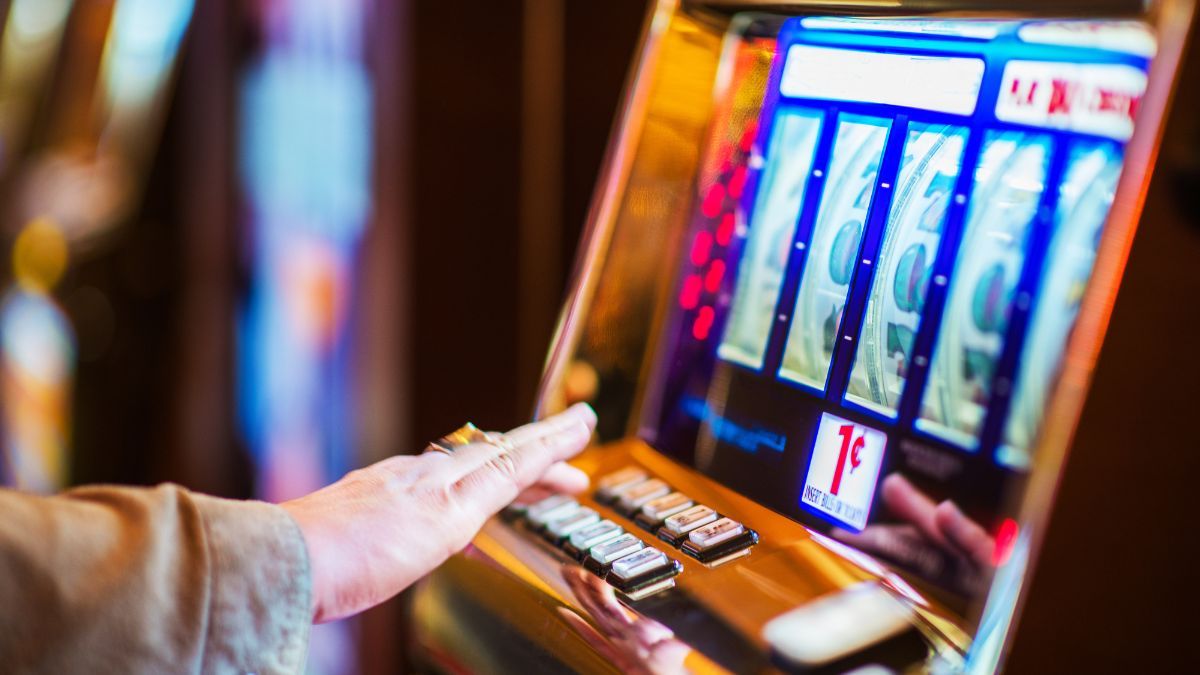
The Industrial Revolution marked another pivotal moment in gambling history, as technological advancements led to the creation of mechanical slot machines in the late 19th century. These devices revolutionized the gambling landscape, offering players a new way to engage with games of chance, laying the groundwork for the modern gambling industry we know today.
The Golden Age of Gambling
The 20th century heralded the “Golden Age” of gambling, characterized by the expansion of casinos and the rise of celebrity gamblers. Famous figures like Frank Sinatra and other Hollywood icons contributed to the allure of Las Vegas, transforming it into a gambling mecca. The cultural significance of gambling grew during this time, as it became synonymous with glamour, wealth, and risk-taking.
During this era, various forms of gambling gained popularity, from poker tournaments to sports betting. The establishment of comprehensive regulations and organizations, such as the Nevada Gaming Control Board, ensured a level of integrity and fairness in the industry. This evolution made gambling not just a pastime, but a multi-billion-dollar global industry.
The Digital Revolution and Online Gambling
The late 20th century brought about the digital revolution, fundamentally altering how people engage with gambling. The advent of the internet led to the creation of online casinos, allowing players to gamble from the comfort of their homes. This significant transformation democratized access to gambling, attracting a broader audience and leading to a surge in popularity.
Online platforms have introduced innovative gaming options, from virtual slot machines to live dealer games, enhancing the user experience. Moreover, the convenience of mobile gaming has made it easier for individuals to gamble anytime, anywhere, creating a new era of on-the-go betting that has reshaped the industry landscape.
Exploring London’s Literary Gambling Scene
London has always had a rich literary heritage, and gambling has found its way into the works of numerous authors throughout history. Renowned writers like Charles Dickens and Ian Fleming have woven gambling into their narratives, reflecting the societal attitudes and complexities surrounding this activity. The portrayal of gambling in literature often mirrors real-life influences, capturing the thrill, risk, and consequences associated with it.
Moreover, London has been home to several notable gambling establishments that have served as inspiration for literary works. These venues not only provide entertainment but also serve as cultural landmarks that contribute to the city’s vibrant storytelling tradition. Exploring this intersection between literature and gambling offers a fascinating glimpse into how these two worlds collide and influence one another.